
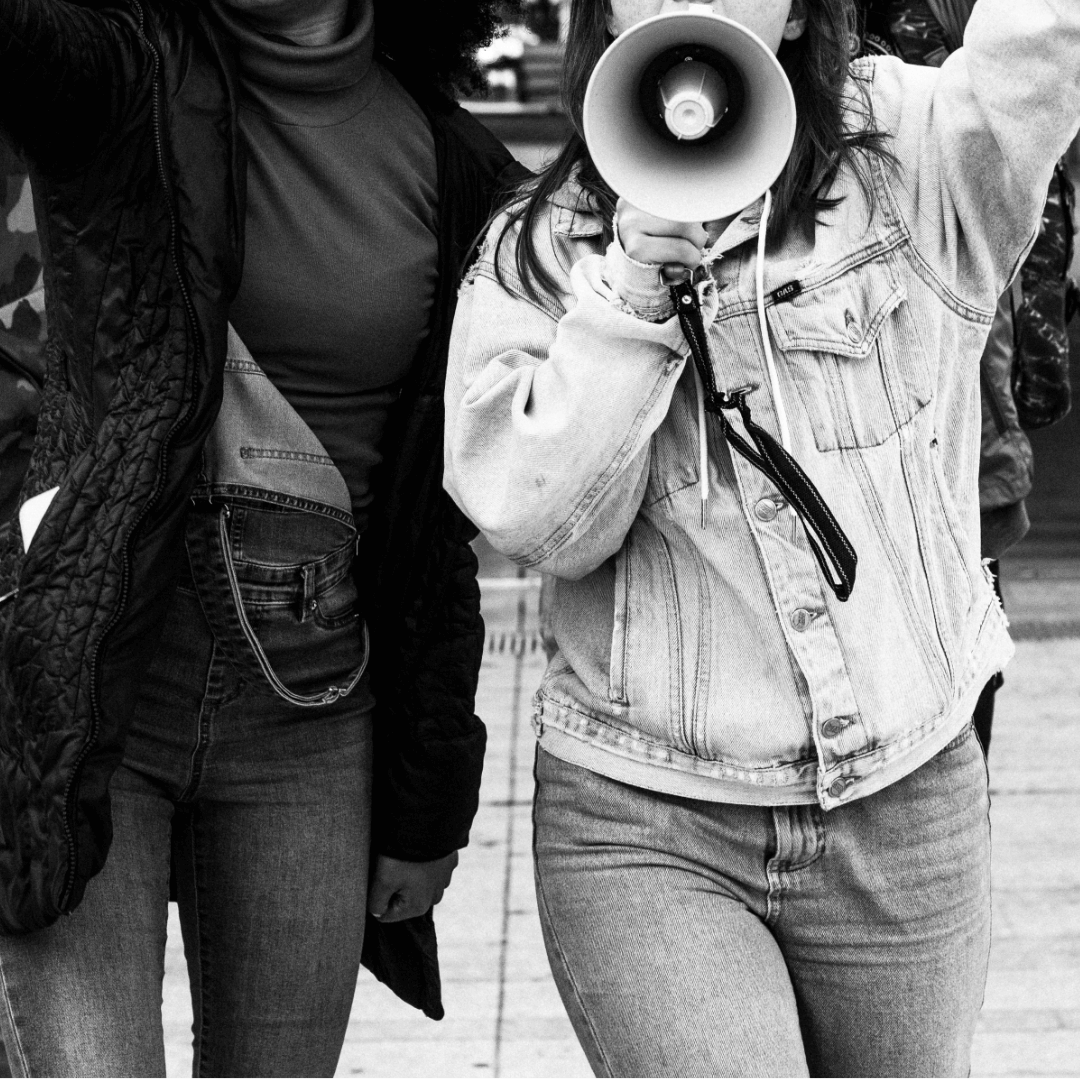
Coffee and revolution: when a drink fuels ideas
There are mornings when you drink your coffee without thinking about it. Out of habit. Out of reflex. Because it's there.
And then there are different mornings. Mornings when, cup in hand, we sit for a moment longer. We watch the light filter through. We smell the deep aroma of the coffee rising, like a thought taking shape. And we understand, perhaps, that this small daily gesture is part of a larger, more vibrant story. A story of ideas, of resistance, of change.
Because Coffee has never been neutral. It has often been the drink of the enlightened. Of readers. Of dissenters. Of dreamers. Of builders.
And if, today, it seems so commonplace to us, it is perhaps because we have forgotten its power.
☕ Cafes: hubs of thought and emancipation
The story is well known, but often forgotten.
From the 17th century onwards, London's coffee houses became places where radical ideas were exchanged. They discussed commerce, philosophy, and civil rights. The simple act of gathering around a non-alcoholic drink created a unique space for shared lucidity. Scientists, printers, and thinkers frequented these establishments. It's even said that the Industrial Revolution took root there… between sips.
In 18th-century Paris, the Cafés became bastions of enlightened thought. Voltaire drank a dozen cups a day. Rousseau and Diderot debated in salons. Ideas of liberty, equality, and criticism of religion and the monarchy were exchanged amidst the steam of black coffee. The French Revolution didn't begin in palaces… but in cafés.
Later, during the independence movements in South America, Africa, and the Middle East, cafés became places of resistance. Newspapers were read there. People spoke in hushed tones. Hopes were forged there. Coffee, a popular yet refined beverage, became the ally of those who wished to think freely.
🗽 Coffee and civil rights: a table for everyone
In the 1950s and 1960s, in the United States, coffee unintentionally became a symbol of resistance and peaceful disobedience. In the segregated South, diner counters were often reserved for whites. It was precisely on these unassuming stools that young Black activists sat peacefully, demanding the right to drink coffee like any other citizen. They were called the "sit-ins", and they become an emblem of the civil rights movement.
In Greensboro in 1960, four African American students refused to leave a Woolworth's counter after being refused service to their coffee. Their calm but determined action would be imitated in hundreds of other cities. Coffee, once again, became a lever for equality, a tool for visibility, a demand for humanity.
🧠 The science of coffee and thought
Beyond history, there is also chemistry.
Caffeine isn't just a quick energy boost. It's a molecule that blocks adenosine, the neurotransmitter that signals fatigue. In turn, it stimulates dopamine, alertness, and concentration.
Studies show that moderate coffee consumption can improve:
-
There working memory
-
There cognitive processing speed
-
There critical analysis skills
But even more than that: coffee creates a rhythm. It requires us to stop, to brew, to wait. It opens up a mental space. It's an active ritual that prepares us to think, not hastily… but with clarity.
🧭 Today: a mindful coffee, a chosen slowness
In a world that pushes us to go faster and faster, coffee can be one of the last gestures of gentle resistance.
Take the time to choose locally roasted coffee.
Supporting a family business rather than a multinational corporation.
Prepare your coffee by hand, with a press, an Italian coffee maker, or a slow filter.
That's what we offer every day at Café Castelo.
Not just good coffee, but a way to slow down, to taste better, to think better.
And that's not a luxury. It's a necessity.
📚 In conclusion: the mug that makes you think
A good cup of coffee doesn't change the world.
But it can create the conditions to imagine it differently.
It can offer a moment of reflection, clarity, and listening.
It can accompany an important conversation, a book that one finally opens, a silence that one inhabits.
And if coffee has been the drink of thinkers, rebels and poets… perhaps it is also, today, our best chance to slow down in order to move forward better.
Take your time. Fill your cup. And let your ideas steep.


Leave a comment
This site is protected by hCaptcha and the hCaptcha Privacy Policy and Terms of Service apply.